.avif)

[section id="emergency-accident-towing-how-it-works-and-what-to-expect-after-a-crash" format="overview"]
Accidents happen, and when they do, it can feel overwhelming. If you're involved in a car accident in Melbourne, knowing what happens next can help you stay calm and make clear decisions.
The emergency accident towing process is designed to move your vehicle safely from the accident scene to a repair shop or safe location. From securing the scene to transporting your car, each step is structured to ensure the safety of road users and protect your vehicle.
In this guide, we'll walk you through what to expect when a tow truck arrives, how the towing process works, and how professional towing supports your insurance repair journey.
[/section]
[section id="what-is-emergency-accident-towing" format="overview"]
What is emergency accident towing?
Emergency accident towing is the removal and transport of a vehicle after a car accident. If your vehicle cannot be driven safely, a licensed tow truck operator will attend the accident scene and move it to a repair shop or safe location.
This service is different from standard breakdown towing. Accident towing focuses on vehicles that may be damaged, obstructing traffic, or unsafe to operate. The goal is to ensure the safety of road users and transport the vehicle securely without causing further damage.
In Victoria, accident towing is regulated, and drivers have rights regarding who can tow their vehicle and where it can be taken.
[/section]
[section id="when-is-accident-towing-legally-required-in-victoria" format="overview"]
When is accident towing legally required in Victoria?
In Victoria, accident towing is legally required when a vehicle involved in a car accident is no longer safe to drive or is creating a risk to road safety. This typically applies when the vehicle has sustained structural damage, steering or brake failure, deployed airbags, fluid leaks or other mechanical issues that make continued driving unsafe.
Accident towing is also required if the vehicle is obstructing traffic, particularly on a busy road, freeway or intersection. Even if the damage appears minor, a vehicle that cannot be moved safely to the side of the road may need to be removed to reduce risk to other road users. The priority in these situations is to ensure the safety of everyone at the accident scene and restore normal traffic flow as soon as possible.
Victoria's motor towing laws, overseen by VicRoads and governed by the Accident Towing Services Regulations 2019, set out when towing must occur and how towing operators must conduct themselves. If police attend the scene, they may direct that a damaged vehicle be removed. Once a direction is given, towing becomes mandatory.
The regulations also protect drivers by requiring licensed towing operators, controlled accident towing zones, and transparent processes.
[/section]
[section id="how-emergency-accident-towing-works" format="overview"]
How emergency accident towing works
Emergency accident towing in Victoria follows a regulated, structured process designed to protect drivers, road users, and vehicles involved in an accident. When a vehicle cannot be driven safely after a crash, a licensed towing operator is dispatched to attend the accident scene.
The process is governed by accident towing laws to ensure that vehicles from accident scenes are removed fairly, safely and without further damage.
[section_inner_1 id="attending-the-accident-scene" format="overview"]
Attending the accident scene
When the tow truck arrives at the accident scene, the operator will first assess the vehicle's condition and the surrounding environment. This includes checking for visible structural damage, fluid leaks and potential hazards to road users. If you're on a busy road, ensuring everyone's safety is the immediate priority.
Tow truck operators are trained to manage accident scenes calmly and professionally. They use appropriate towing equipment to prepare the vehicle for removal while avoiding further damage. If police are present, the towing operator will coordinate with them to follow the required procedures under Victorian accident towing regulations.
[/section_inner_1]
[section_inner_1 id="securing-and-removing-the-vehicle" format="overview"]
Securing and removing the vehicle
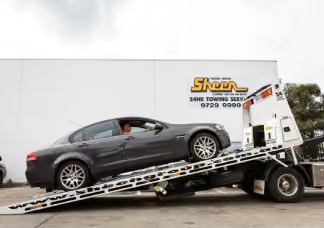
Once the assessment is complete, the vehicle is secured for towing. Depending on the type of damage, the towing operator will determine the appropriate type of tow truck. In many accident towing situations, a flatbed tow truck is used to load the vehicle completely off the ground. In other cases, a wheel-lift tow may be suitable if the vehicle can be safely supported.
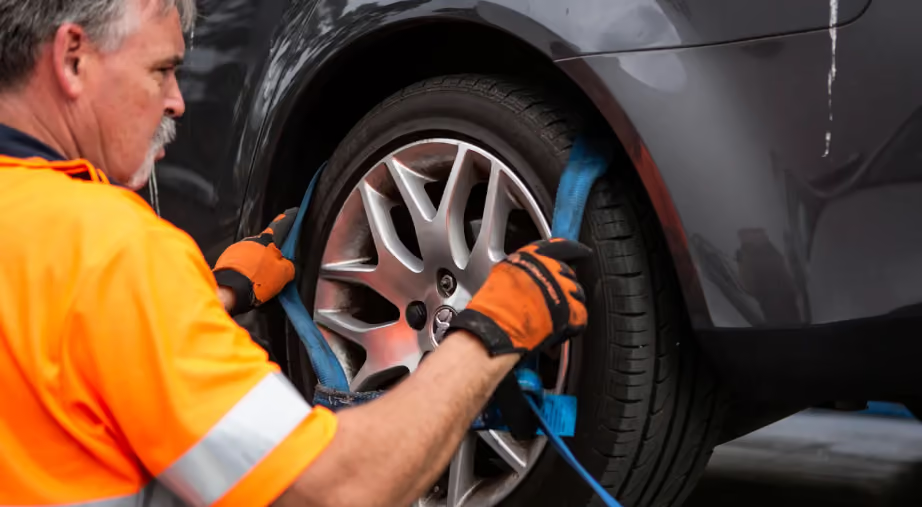
The vehicle is carefully positioned and stabilised using professional towing equipment to ensure it is safely and securely loaded. The aim is to protect the vehicle from further damage during removal and transport, particularly if it has already sustained significant impact in the accident.
[/section_inner_1]
[section_inner_1 id="transporting-the-vehicle-to-a-holding-yard-or-repairer" format="overview"]
Transporting the vehicle to a holding yard or repairer
After the vehicle is secured, it is transported from the accident scene to either a holding yard or a repair shop. The destination may depend on the towing allocation system in Victoria or the driver's preference, if applicable.
Throughout transport, the focus remains on ensuring that the vehicle is handled carefully and delivered to a safe location. From there, the next stage of the repair or insurance process can begin. This structured towing process helps clear the road as soon as possible while preparing accident vehicles for professional repair.
[/section_inner_1]
[/section]
[section id="who-is-allowed-to-tow-a-vehicle-after-an-accident-in-victoria" format="overview"]
Who is allowed to tow a vehicle after an accident in Victoria?
In Victoria, only licensed accident towing operators are legally permitted to tow vehicles from accident scenes. The accident towing industry is regulated to protect drivers and ensure that vehicles involved in an accident are handled safely and fairly.
When a crash occurs within a declared accident towing zone, only authorised tow truck operators allocated to that zone can attend and remove vehicles. These operators must hold the appropriate licences and comply with strict conduct, safety and pricing regulations. This system is designed to prevent unsafe practices and reduce the risk of disputes at the accident scene.
If police are present, they may oversee or confirm the towing allocation. In most cases, drivers still have rights regarding where their vehicle is taken, but the towing operator must be properly licensed under Victorian accident towing laws.
Understanding who can legally tow your vehicle helps you avoid unlicensed or opportunistic towing companies and ensures your vehicle is transported safely and securely as part of the regulated emergency accident towing process.
[/section]
[section id="can-you-choose-your-accident-towing-provider" format="overview"]
Can you choose your accident towing provider?
Whether you can choose your accident towing provider depends on the circumstances of the accident and where it occurs.
Within declared accident towing zones, a regulated allocation system operates. This means a licensed tow truck operator is assigned to attend the accident scene based on location and availability. The purpose of this system is to maintain order, ensure road safety and prevent disputes between towing companies at crash sites.
However, drivers still have important rights. In many cases, you can choose where your vehicle is taken, such as a preferred repair shop or holding yard. It is important to communicate clearly with the tow truck operator before your vehicle is loaded to ensure everyone understands your intended destination.
If police organise towing at the scene, the allocation system will apply. Even then, licensed operators must follow Victorian accident towing laws and provide clear documentation. Understanding your towing choice rights can help you make informed decisions during what can be a stressful moment after an accident.
[/section]
[section id="what-happens-if-the-police-organise-the-tow" format="overview"]
What happens if the police organise the tow?
When police attend an accident scene in Victoria, they may organise the tow if the vehicle is unsafe to drive or is obstructing traffic. In these situations, towing does not operate on a first-come, first-served basis. Instead, it follows a regulated accident allocation system designed to ensure fairness and road safety.
Under this system, a licensed tow truck operator is dispatched according to the designated accident towing zone. This prevents multiple towing companies from arriving at the scene and reduces confusion during what is often a stressful situation. The allocation process is tightly controlled under Victorian accident towing laws.
Even when police arrange the tow, drivers still retain certain rights. You are entitled to clear documentation and should be informed about where your vehicle is being transported. The towing operator must be licensed and comply with regulated procedures, including approved conduct and pricing requirements.
Police-arranged towing is designed to prioritise safety, clear the road efficiently and ensure the vehicle is transported securely within the structured emergency accident towing process.
[/section]
[section id="how-much-does-emergency-accident-towing-cost" format="overview"]
How much does emergency accident towing cost?
The emergency accident towing cost in Victoria depends on factors such as distance travelled, time of day and the condition of the vehicle. More complex recovery situations may require specialised towing equipment, which can influence pricing.
Within declared accident towing zones, accident towing fees are regulated under Victorian law. This means licensed operators must follow controlled pricing structures to ensure transparency and fairness.
If your vehicle is insured, towing costs may be covered under your policy. It is always worth confirming what your insurance includes following an accident.
[section_inner_1 id="factors-that-affect-accident-towing-costs" format="ul"]
Factors that affect accident towing costs
Accident towing costs can vary depending on the specific circumstances of the crash and recovery. While regulated pricing applies in Victoria, several practical factors can influence the final towing charge.
- Distance travelled: The further the vehicle needs to be transported from the accident scene to a holding yard or repair shop, the more this can affect towing costs.
- Time of day: After-hours towing, including late nights, weekends or public holidays, may impact pricing under regulated fee structures.
- Extent of vehicle damage: Significant vehicle damage may require a flatbed tow truck or specialised recovery equipment, which can influence costs.
- Recovery complexity: If the vehicle is difficult to access or positioned in a way that requires additional safety measures, this can also affect the overall accident towing fees.
[/section_inner_1]
[/section]
[section id="where-will-your-car-be-taken-after-an-accident" format="overview"]
Where will your car be taken after an accident?
After an accident, your vehicle will usually be transported either to a towing depot or directly to a smash repairer, depending on the circumstances of the tow and your preference.
In some cases, particularly within regulated accident towing zones, vehicles are first taken to a holding yard or towing depot. This allows the vehicle to be stored safely while next steps are arranged, such as insurance assessment or repair authorisation.
Alternatively, your car may be transported directly to a smash repairer if this has been confirmed at the time of towing. Many drivers choose to have their vehicle taken straight to their preferred repair shop to begin the insurance smash repairs process sooner.
[upload_smash][/upload_smash]
[/section]
[section id="what-happens-after-your-car-is-towed" format="overview"]
What happens after your car is towed?
Once your car is towed from the accident scene, the focus shifts to the next steps in the repair and insurance process. If your vehicle has been taken to a holding yard, you may need to confirm where it is stored and decide which smash repairer will carry out the repairs.
[section_inner_1 id="contacting-your-insurer" format="overview"]
Contacting your insurer
After towing is complete, contacting your insurer is usually the next step. Lodging or progressing your insurance claim ensures the repair process can begin without unnecessary delay.
When speaking with your insurer, you may need to provide details of the accident, the towing documentation and the current location of your vehicle. Your car insurance policy will determine what is covered, including towing costs, assessment and smash repairs. Beginning your insurance claim promptly helps move your vehicle from recovery to repair as smoothly as possible.
[/section_inner_1]
[section_inner_1 id="organising-repairs-or-assessment" format="overview"]
Organising repairs or assessment
Once your insurance claim is underway, the vehicle will require a repair assessment. This involves inspecting the damage to determine the scope of work needed to restore the vehicle to its pre-accident condition.
Depending on where the vehicle was taken, it may be assessed at a holding yard before being moved to a repair facility, or it may already be with a smash repairs workshop. Qualified technicians will evaluate structural and cosmetic damage and prepare a repair plan. This step ensures that all necessary panel beating and repairs are identified before work begins.
[/section_inner_1]
[/section]
[section id="accident-towing-vs-breakdown-towing-whats-the-difference" format="ul"]
Accident towing vs breakdown towing: what's the difference?
Accident towing and breakdown towing are both forms of emergency towing, but they apply in different situations and follow different rules. Understanding the difference can help you know what type of tow is required after car troubles or a collision.
Accident towing
- Used when a vehicle is involved in an accident and is unsafe to drive.
- Operates under strict Victorian accident towing regulations and allocation zones.
- Requires licensed accident towing operators.
- Often involves damaged vehicles that need secure recovery using specialised equipment.
Breakdown towing
- Used when a car breaks down due to mechanical failure rather than a collision.
- Not subject to the same accident allocation system.
- Can often be arranged directly through roadside assistance or a towing service.
- Typically involves transporting a vehicle to a mechanic for mechanical repair.
While both services transport a vehicle to a safe location or repair facility, accident towing is more tightly regulated due to the safety risks and complexity involved at accident scenes.
[/section]
[section id="how-to-avoid-towing-scams-after-an-accident" format="ul"]
How to avoid towing scams after an accident
After an accident, emotions can run high. Unfortunately, this is when some drivers may be vulnerable to towing scams or unlicensed tow trucks offering unsolicited help. Knowing what to look for can help you stay in control of the emergency accident towing process.
- Confirm the tow truck operator is licensed and authorised to operate in Victoria. Licensed operators must follow regulated procedures.
- Do not feel pressured to sign documents you do not understand. Take a moment to read any towing authority forms carefully before agreeing.
- Ask clearly where your vehicle will be taken before it is loaded onto the tow truck.
- Be cautious of anyone who approaches you without being allocated through the regulated accident towing system.
- Request documentation outlining towing fees and the destination of your vehicle.
Understanding your rights and choosing a regulated towing service reduces the risk of scams and ensures your vehicle is transported safely and securely.
[/section]
[section id="why-choosing-a-licensed-towing-provider-matters" format="overview"]
Why choosing a licensed towing provider matters
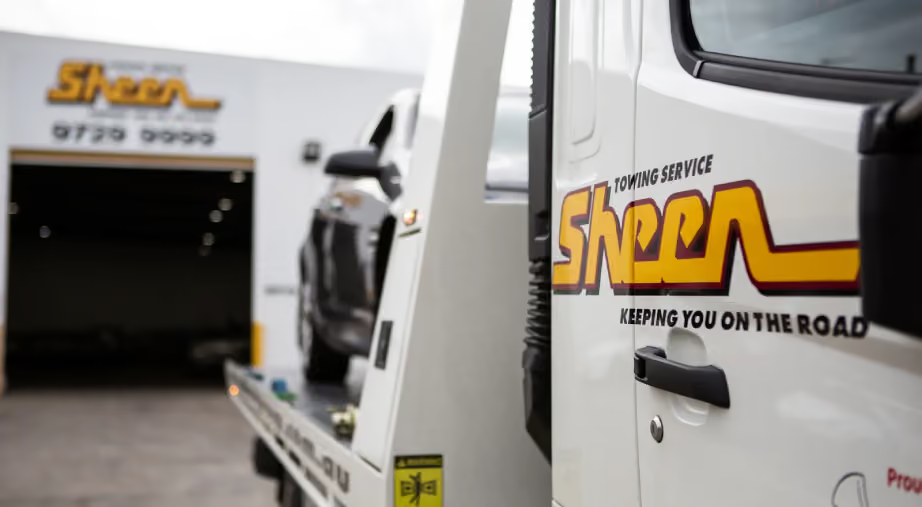
Choosing a licensed towing provider is essential after an accident. In Victoria, a licensed tow truck and authorised operator must meet strict legal, safety and conduct requirements. These regulations are designed to protect drivers, ensure fair pricing and maintain safe practices at accident scenes.
A licensed towing operator is trained to manage accident situations professionally and use approved towing equipment to transport vehicles safely and securely. This reduces the risk of further damage and helps ensure the vehicle is handled correctly from the moment the tow truck arrives.
Working with an authorised operator also provides peace of mind that the emergency accident towing process complies with Victorian regulations. In a stressful situation, choosing a licensed provider supports both your safety and your vehicle's protection.
[/section]
[section id="why-choose-sheen-for-emergency-accident-towing" format="overview"]
Why choose Sheen for emergency accident towing
Sheen provides reliable accident towing across Victoria, supporting drivers at every stage of the process. With more than 50 years of experience, our licensed operators ensure vehicles are removed safely and in full compliance with Victorian regulations.
As Victoria's largest independent collision repair network, Sheen connects accident towing directly to professional smash repairs. This means your vehicle can move seamlessly from recovery to assessment without unnecessary delays.
When you need accident towing in Victoria, Sheen offers a calm, structured and professional service focused on safety, transparency and getting you back on the road as soon as possible.
[/section]
[section id="get-help-now-emergency-accident-towing-support" format="overview"]
Get help now: emergency accident towing support
If you're involved in an accident and need emergency towing, acting quickly can help ensure everyone's safety at the scene.
Sheen provides 24/7 emergency towing support across Melbourne and Victoria. Our licensed operators manage the emergency accident towing process safely and professionally, transporting your vehicle to a secure location or repair facility.
Contact Sheen now for immediate emergency towing assistance and clear guidance on your next steps.
[nearest_workshop][/nearest_workshop]
[/section]
Table of contents









.avif)