
.avif)



Comprehensive car insurance is often considered the highest level of coverage available in Australia. Unlike compulsory third party or third party property damage insurance, a comprehensive car insurance policy can help cover damage to your own vehicle as well as damage you cause to other people's property.
From collisions and theft to fire, hail, and vandalism, understanding what's included in your policy can help you make informed decisions and avoid unexpected costs when it's time to make a claim.
In this guide, we'll explain how comprehensive car insurance works, what's typically covered, common exclusions to look out for, and whether comprehensive cover is the right choice for your vehicle.
Key Takeaways
- Comprehensive car insurance can help cover damage to your own vehicle, damage to other people’s property, theft, fire, vandalism, weather events and other insured incidents.
- Comprehensive cover is broader than CTP, third party property damage, and third party fire and theft insurance.
- Even comprehensive policies have exclusions, such as wear and tear, mechanical failure, undeclared modifications, unlisted drivers and policy breaches.
- Your Product Disclosure Statement explains what your policy covers, what it excludes, your excess obligations and how claims are handled.
- Choosing the right policy means comparing more than price, including excesses, repairer options, optional extras and claims support.
Why understanding your insurance cover matters
Not all car insurance policies provide the same level of cover. While some only protect against damage caused to other people or their property, others can help cover damage to your own vehicle, theft, fire, weather events, and more.
Rising repair bills, pricier parts, and more complex technology mean the average claim now costs far more than it did five years ago. In fact, according to the Insurance Council of Australia’s 2025 report, repair costs alone make up around 60% of total claim expenses. Add in vehicle replacement spikes and escalating fraud costs, and premiums go up fast, even for drivers who’ve never made a claim.
Understanding the difference can help you avoid paying for cover you don't need or finding yourself underinsured when something goes wrong.

What types of car insurance are available in Australia?
Not all car insurance policies provide the same level of protection. In Australia, there are four main types of car insurance, each designed to cover different risks and situations.
Compulsory Third Party (CTP) insurance
Compulsory Third Party (CTP) insurance is mandatory for all registered vehicles in Australia. It covers injuries or death caused to other people in a motor vehicle accident, but doesn't cover damage to vehicles or property.
Third party property damage insurance
Third party property damage insurance covers damage your vehicle causes to another person's car or property. However, it doesn't cover damage to your own vehicle if you're at fault for the accident.
Third party fire and theft insurance
This type of policy includes third party property damage cover, along with protection if your vehicle is stolen or damaged by fire. It generally won't cover repairs to your own car following a collision.
Comprehensive car insurance
Comprehensive car insurance provides the highest level of cover. It typically includes damage to your own vehicle, damage to other people's property, theft, fire, vandalism, weather events, and other insured incidents, depending on the policy.
What does comprehensive car insurance actually cover?
Comprehensive car insurance provides the broadest level of cover available for most drivers in Australia. While inclusions vary between insurers and policies, comprehensive car insurance typically protects against a wide range of risks that can damage your vehicle or result in costs to others.
Damage to your vehicle
One of the main benefits of comprehensive car insurance is coverage for damage to your own vehicle. This can include collision damage, accidental damage, and repairs following an insured event, whether another vehicle, object, or hazard is involved.
Damage to other people's property
If your vehicle damages another person's car, fence, building, or other property, comprehensive car insurance will typically help cover the repair or replacement costs. This protection can help reduce potentially significant out-of-pocket expenses.
Fire, storms, hail and natural disasters
Most comprehensive policies include cover for damage caused by fire, hail, storms, floods, falling branches, and other natural events. The exact level of cover will depend on the terms of your insurance policy.
Theft and attempted theft
If your car is stolen, many comprehensive car insurance policies provide coverage for the loss. They may also cover damage caused during an attempted theft, such as broken windows, damaged locks, or ignition damage.
Vandalism and malicious damage
Comprehensive insurance generally covers intentional damage caused by another person. This can include incidents such as keyed paintwork, broken mirrors, or other acts of vandalism.
Accidents involving animals
If your vehicle collides with an animal, your policy may cover the resulting damage. These incidents can be particularly common on regional roads and may lead to costly repairs without adequate cover.
Towing and recovery
Many comprehensive policies include towing and recovery services if your vehicle can't be driven following a covered incident. Conditions and distance limits may apply depending on the insurer.
Emergency repairs and accommodation
Some insurers provide limited cover for emergency expenses following an accident, such as temporary repairs or accommodation if you're stranded away from home. These benefits vary between comprehensive car insurance policies, so it's important to check your PDS for details.
Does comprehensive car insurance cover repairs?
Whether repairs are covered depends on the cause of the damage and the terms of your insurance policy. While comprehensive car insurance covers many repair scenarios, there are also situations where a claim may be declined.
TIP: Always check your Product Disclosure Statement (PDS) to understand the exclusions that apply to your cover.
Hire car cover and repair benefits
Depending on the policy, comprehensive car insurance may include benefits such as:
- A hire car while your vehicle is being repaired.
- Towing and recovery services.
- Emergency accommodation following an accident.
- Temporary or emergency repairs.
- Choice of repairer options.
Not all insurers include these benefits as standard, so it's worth reviewing your policy before making a claim.
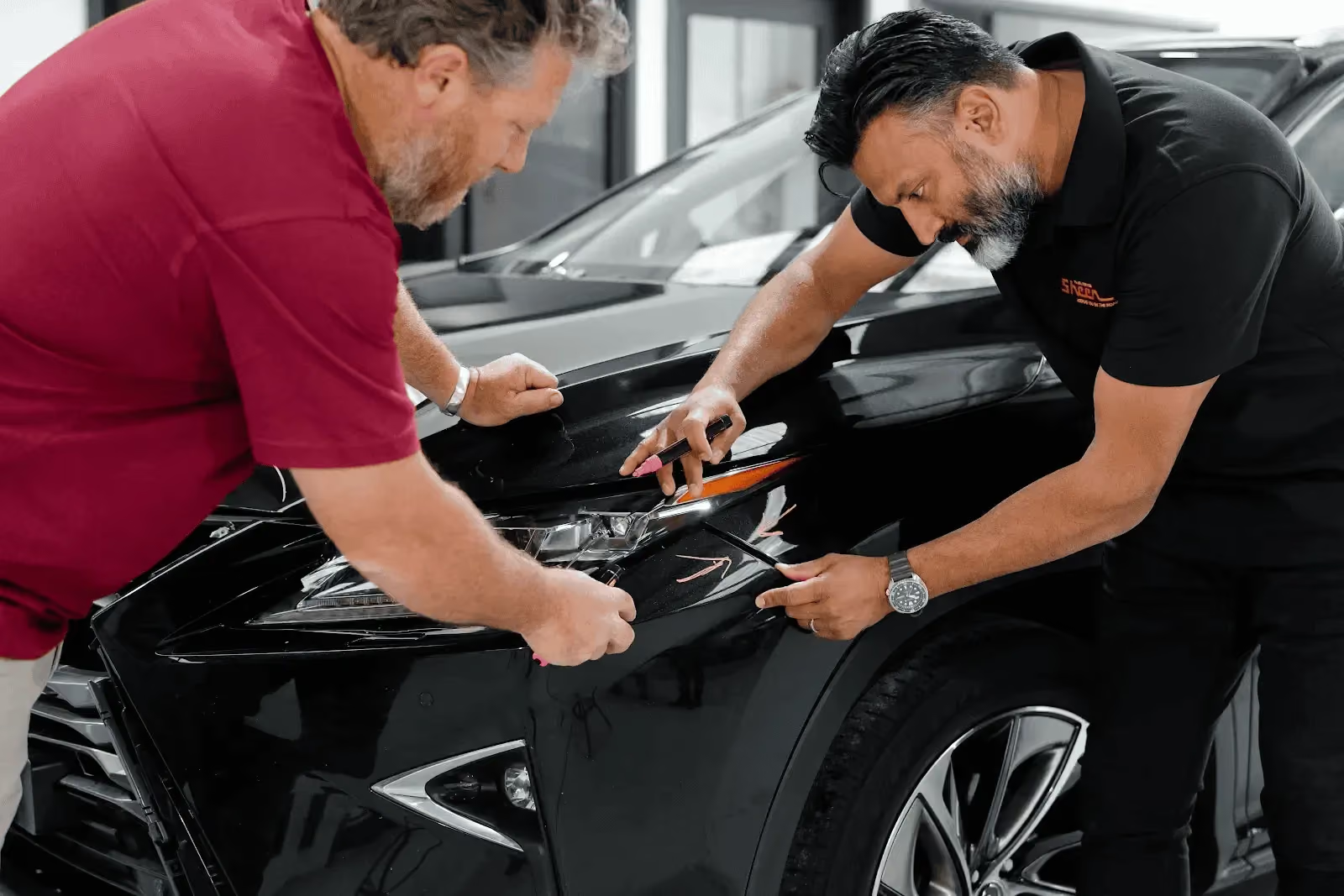
What isn't covered by comprehensive car insurance?
Even the most comprehensive car insurance policy has exclusions. These are situations where your insurer may reduce, reject, or decline a claim. Understanding these limitations can help you avoid unexpected costs and make more informed decisions when choosing cover.
Driving under the influence
Most insurers won't cover damage caused while a driver is under the influence of alcohol or drugs. This exclusion can apply even if the driver is legally permitted to drive but is found to be impaired.
Unroadworthy vehicles
If your vehicle isn't maintained in a safe and roadworthy condition, your insurer may reject a claim. Common examples include defective brakes, bald tyres, or other known safety issues.
Restricted or unlisted drivers
Some insurance policies place conditions on who can drive the vehicle. If an excluded, restricted, or unlisted driver is involved in an accident, additional costs may apply or the claim could be denied.
Illegal or undeclared vehicle modifications
Vehicle modifications should be disclosed to your insurer. Modifications that are illegal, unsafe, or not declared when taking out the policy may affect your cover and claims eligibility.
Rideshare and commercial vehicle use
Many personal car insurance policies don't automatically cover rideshare, delivery, or commercial activities. If you use your vehicle for work, it's important to confirm whether your policy provides the appropriate level of cover.
Mechanical failures and general wear and tear
Comprehensive insurance is designed to cover sudden and unexpected events, not routine maintenance issues. Mechanical breakdowns, ageing components, and general wear and tear are typically excluded.
Failing to secure your vehicle
Claims relating to theft or damage may be affected if reasonable steps weren't taken to secure the vehicle. For example, leaving keys in the car or failing to lock the vehicle could impact your claim.
Non-disclosure and policy breaches
Providing inaccurate information or failing to disclose relevant details can affect your cover. Insurers rely on accurate information when assessing risk, which is why it's important to keep your policy details up to date and review your PDS regularly.
Do you need comprehensive car insurance?
Comprehensive car insurance isn't the right choice for every driver, but it can provide valuable financial protection in the right circumstances. When deciding whether to buy comprehensive cover, consider your vehicle, driving habits, location, and your ability to absorb unexpected costs.
Is your vehicle new or high value?
Comprehensive cover is often worth considering if you own a new, high-value, modified, or specialty vehicle. The cost of repairing or replacing these vehicles can be high, making the broader protection offered by comprehensive car insurance more valuable.
Are you a younger driver?
Younger drivers are statistically more likely to be involved in accidents and often face higher insurance premiums. While comprehensive cover may cost more, it can provide greater financial protection if you're relying on your vehicle for work, study, or everyday travel.
Do you live in a high-risk area?
Where you live and park your vehicle can influence both your insurance premium and your level of risk. Drivers in areas with higher rates of traffic incidents, theft, vandalism, hail, or storm damage may benefit from the additional protection comprehensive insurance provides.
How much could you afford to replace your car?
One of the simplest questions to ask is whether you could comfortably afford to repair or replace your vehicle if it were written off, stolen, or seriously damaged. If the answer is no, comprehensive car insurance may provide valuable peace of mind and help protect you from significant out-of-pocket expenses.
How to compare comprehensive car insurance policies
Comparing comprehensive car insurance policies isn't just about finding the lowest premium. The best policy for you will depend on the level of cover, the excess, the benefits included, and how claims are handled when you need support.
- 01

Step 1: Compare premiums and excesses
Your premium is the amount you pay to keep your policy active, while your excess is the amount you contribute when making a claim. A lower premium may come with a higher excess, so compare both costs together.
- 02
Step 2: Check agreed value vs market value
Agreed value means your insurer pays a predetermined amount if your vehicle is written off. Market value reflects what the vehicle is worth at the time of the claim.
- 03
Step 3: Review choice of repairer
Some insurers allow you to choose your preferred repairer, while others require you to use an approved repair network. If control over repairs matters to you, check this before buying cover.
- 04
Step 4: Look at optional extras and benefits
Compare extras such as hire car cover, roadside assistance, no-claim bonus protection, windscreen cover, emergency accommodation and accident replacement vehicle options.
- 05
Step 5: Read the exclusions
Review what is not covered, including driver restrictions, vehicle modifications, commercial use, mechanical failure and policy breaches.
- 06
Step 6: Check the claims process
Understand how to make a claim, what evidence you may need, when excess is payable and how repairs are approved.
What is a Product Disclosure Statement (PDS)?
A Product Disclosure Statement (PDS) is one of the most important documents you'll receive when buying car insurance. It explains what your policy covers, what it doesn't cover, and the conditions that apply if you need to make a claim.
Why the PDS matters
The PDS helps you understand exactly what you're paying for before you buy or renew a policy. It outlines important details such as inclusions, exclusions, excesses, claim conditions, optional extras, and policy limits.
Taking the time to review your PDS can help you avoid surprises later, particularly if your vehicle is damaged, stolen, or involved in an accident.
How to access and read your PDS
Most insurers make their PDS available online during the quote process and through customer portals once your policy is active. You can also request a copy directly from your insurer.
When reviewing your PDS, pay particular attention to:
- What your policy covers and excludes.
- Excess amounts and additional excesses.
- Listed and unlisted driver conditions.
- Vehicle modification requirements.
- Choice of repairer options.
- Claims procedures and policy limits.
If you're unsure about any part of the document, contact your insurer for clarification before purchasing or renewing your cover.
7 things to check in your car insurance PDS
Reviewing your Product Disclosure Statement doesn't have to be overwhelming. If you're short on time, focus on these seven key areas before buying or renewing a car insurance policy.
What your policy covers
The first thing to look for in your PDS is what the policy actually covers. Comprehensive policies may include cover for accidental damage, fire, theft, weather events, and malicious damage, while third party policies may only fund cover for damage to other vehicles.
The PDS will also explain whether your policy covers the market value of your car or an agreed value. If your car is written off in an accident and you’ve selected market value, the payout could be significantly lower than what you paid or what you need to replace it. Checking this early helps avoid any nasty surprises later.
Excess and excess types
Next, review the section about excess. This includes your basic excess (the standard amount you’ll pay in most claims), but also any additional excesses that could apply. These might be based on age, licence status, or driving history.
For example, younger drivers may have a higher age excess, while unlisted drivers could trigger an additional unlisted driver excess. Your PDS will explain how these are calculated and when they apply. The document that contains these rules will also clarify how adjusting your excess could affect your premium.
Listed and unlisted drivers
If multiple people drive your car, it’s essential to understand the implications of listed versus unlisted drivers. Your PDS will outline whether additional excesses apply if someone not listed on your policy is involved in an incident.
In many cases, insurers impose higher excesses for unlisted drivers, especially if they’re under 25. However, there are usually exceptions for learner drivers, provided they’re supervised by a fully licensed driver. Make sure all regular drivers are listed to avoid penalties.
Policyholder benefits and optional extras
A good PDS will detail the extra benefits that come with your policy. Comprehensive insurance could include cover for personal items stolen from the car, emergency repairs, vehicle towing, and even replacement of lost keys. Some insurers offer optional extras for an added fee, such as hire car cover (by the way, we’ll sort you out with an accident replacement vehicle for free) while your vehicle is being repaired, or no-claim discount protection.
These options may not be included as standard, so it’s important to check whether they’re automatically included or if you need to add them. These extras are often described as disclosure documents within the broader product information.
Cover for modifications
If your vehicle has modifications (cosmetic, performance-related, or functional), you need to understand how they are treated under your policy. Most insurers won’t cover modifications unless they’ve been declared and accepted.
Your PDS should explain which modifications are covered, how they’re assessed, and whether they affect your premium or excess. If modifications aren’t listed on your Certificate of Insurance, you may not be covered for their repair or replacement. This is particularly important to consider, given your personal circumstances.
Choice of repairer
One important but often overlooked detail in your PDS is whether you have the choice of repairer. Some policies automatically assign you to a preferred repairer (a shop the insurer works with), while others allow you to choose your own.
Preferred repairers may be convenient, but you might prefer the transparency and quality control of selecting a trusted panel beater. Your PDS should clearly state whether you have this option and what it means in the event of a claim.
Discounts and rewards
Finally, check the PDS for any discount programs or reward incentives. Some insurers offer a no-claim bonus, which is a discount on your premium for maintaining a clean driving record. Others may provide a multi-policy discount if you also hold home or contents insurance with the same company.
These discounts can significantly reduce your overall premium, but the criteria and retention rules will be outlined in the PDS. Always read the PDS and financial services guide (FSG) together before making a decision to purchase.
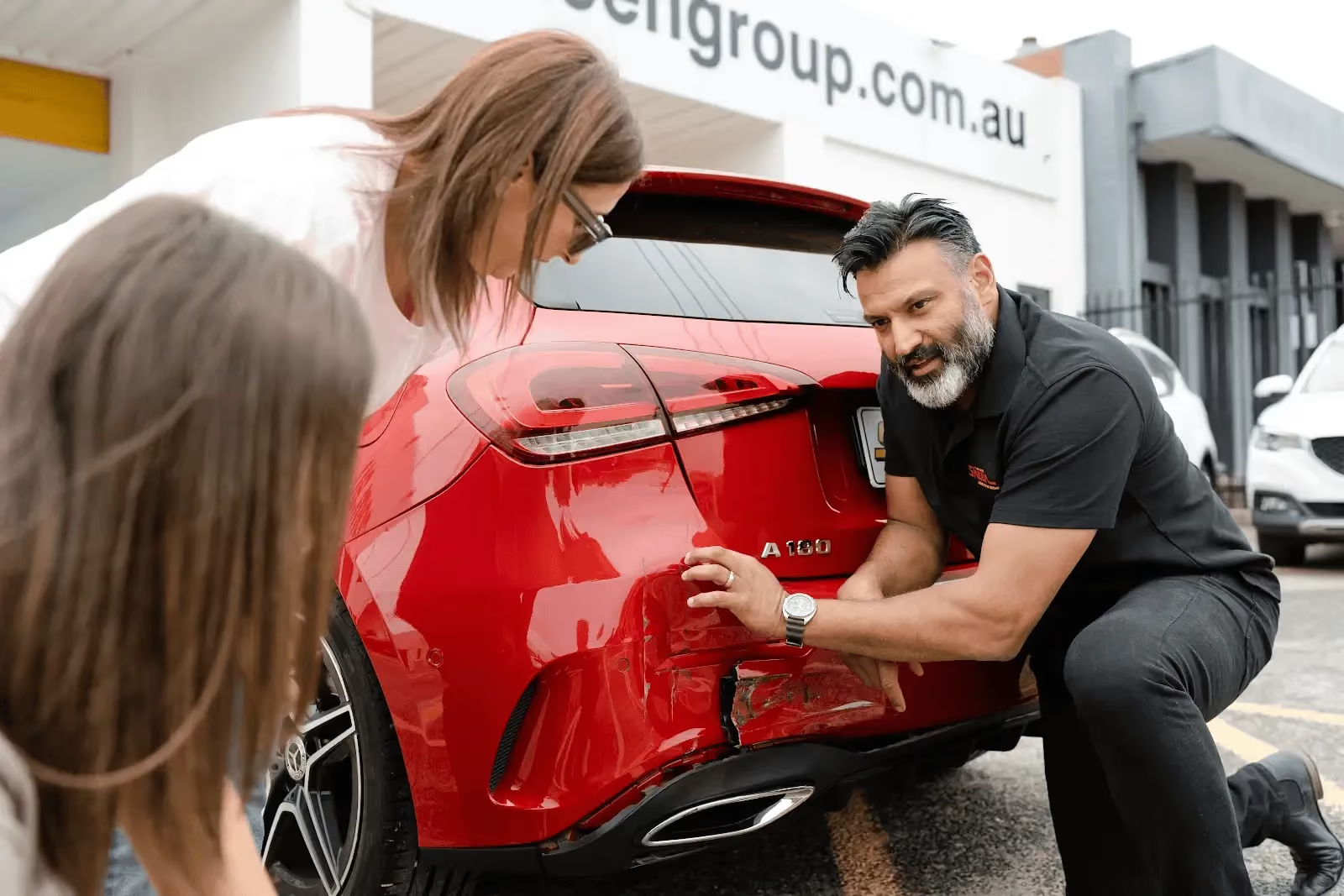
Common myths about comprehensive car insurance
Comprehensive car insurance is one of the most misunderstood insurance products in Australia. While it offers broad protection, there are still plenty of misconceptions about what it does and doesn't cover.
"CTP covers everything"
This is one of the most common insurance myths. Compulsory Third Party (CTP) insurance only covers injuries or death caused to other people in a motor vehicle accident. It doesn't cover damage to your vehicle, other vehicles, or property.
"If I'm not at fault, I don't need to claim"
Even if another driver caused the accident, you may still need to make a claim through your insurer. This can be particularly important if the at-fault driver is uninsured, disputes responsibility, or can't be identified.
"Comprehensive insurance covers every type of damage"
Comprehensive car insurance provides the highest level of cover available, but it doesn't cover every situation. Most policies include exclusions for things like mechanical failures, general wear and tear, undisclosed modifications, policy breaches, and certain driver-related circumstances.
The best way to understand what's covered is to review your Product Disclosure Statement (PDS) and check the specific terms of your policy.
How understanding your policy helps when making a claim
Understanding your insurance policy before an accident can make the claims process much smoother. Instead of searching for answers when something goes wrong, you'll already know what cover applies, what costs you may need to pay, and what support is available.
- Know what you are covered for
- Understand your excess obligations
- Avoid unexpected claim delays
- Know your repair options
- Understand your policy benefits
- Reduce the risk of claim disputes

Know what you are covered for
Reviewing your policy helps you understand which events are covered, such as accidents, theft, fire, hail and other types of vehicle damage.
.svg)
Understand your excess obligations
Knowing your excess amount in advance can help you prepare for any out-of-pocket costs that may apply when making a claim.

Avoid unexpected claim delays
Understanding policy conditions, exclusions and driver requirements can reduce the risk of delays or complications during the claims process.

Know your repair options
Checking whether your policy includes a choice of repairer can help you make informed decisions if your vehicle needs repairs after an accident.

Understand your policy benefits
Features such as hire car cover, towing, roadside assistance and emergency accommodation can provide valuable support when you need it most.

Reduce the risk of claim disputes
Keeping your policy information accurate and up to date can help avoid issues that may affect a future claim.
Need help with an insurance claim?
If your vehicle needs repairs after an accident, Sheen can help make the insurance repair process easier. Our team works with all major insurers and can assist with claim-related questions, repair coordination and communication with your insurer.
Table of contents